
Addiction Treatment Centers in Albuquerque
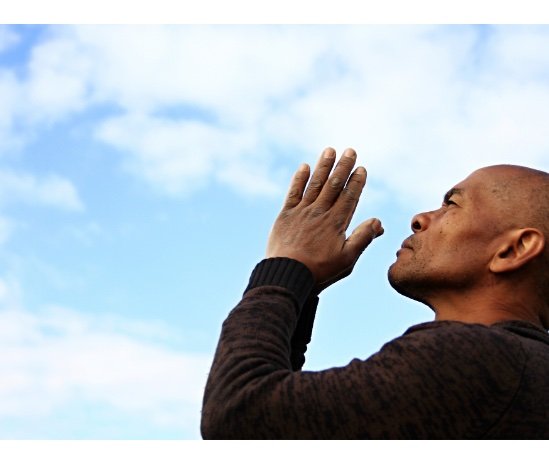 Albuquerque, New Mexico, is home to a variety of drug and alcohol rehab centers dedicated to helping individuals overcome addiction and reclaim their lives. These facilities offer a range of treatment options tailored to meet the unique needs of each person. This guide provides an in-depth look at the addiction treatment centers in Albuquerque, with a focus on holistic approaches that address the physical, emotional, and spiritual aspects of recovery.
Understanding Addiction
Addiction is a complex and multifaceted disease that affects individuals on multiple levels. It is characterized by compulsive drug or alcohol use despite harmful consequences. Understanding the nature of addiction is the first step in seeking effective treatment. Addiction often involves changes in brain function and behavior, making it difficult for individuals to control their substance use. The cycle of addiction typically includes stages of initiation, maintenance, and relapse, each requiring targeted interventions.
Several factors contribute to the development of addiction, including genetic predisposition, environmental influences, and mental health conditions. People with a family history of addiction are more likely to develop substance use disorders. Environmental factors such as peer pressure, exposure to drugs or alcohol, and stress can also play a significant role. Additionally, mental health issues like depression, anxiety, and trauma are often intertwined with substance abuse, necessitating integrated treatment approaches.
Drug and Alcohol Rehab in Albuquerque
Albuquerque offers a diverse array of rehab centers that provide comprehensive treatment for drug and alcohol addiction. These facilities cater to individuals from all walks of life, offering personalized care that addresses their specific needs. Whether you are seeking inpatient, outpatient, or holistic addiction treatment, Albuquerque has options that can help you on your path to recovery.
Inpatient Rehab Centers
Inpatient rehab centers in Albuquerque provide intensive, round-the-clock care in a structured environment. These facilities are ideal for individuals with severe addiction or those who have not succeeded with outpatient treatment. Inpatient programs typically include medical detox, individual and group therapy, and holistic treatments such as yoga, meditation, and nutritional counseling. The immersive nature of inpatient rehab allows individuals to focus entirely on their recovery, free from external distractions and triggers.
Outpatient Rehab Centers
 Outpatient rehab centers offer flexible treatment options for those who cannot commit to a residential program. These facilities provide comprehensive care while allowing individuals to maintain their daily responsibilities, such as work or school. Outpatient programs in Albuquerque often include individual therapy, group sessions, family counseling, and support groups. This type of treatment is suitable for those with mild to moderate addiction or as a step-down program after completing inpatient rehab.
Holistic Addiction Treatment in Albuquerque
Holistic addiction treatment centers in Albuquerque focus on treating the whole person, addressing the physical, emotional, and spiritual aspects of addiction. These centers incorporate a variety of therapies and activities designed to promote overall well-being and long-term recovery. Common holistic treatments include acupuncture, massage therapy, art therapy, and outdoor activities such as hiking and equine therapy. By addressing the root causes of addiction and fostering a balanced lifestyle, holistic treatment centers aim to provide sustainable recovery solutions.
Key Components of Effective Addiction Treatment
Effective addiction treatment in Albuquerque involves a combination of evidence-based practices and holistic approaches. Key components of successful treatment programs include comprehensive assessments, personalized treatment plans, medication-assisted treatment (MAT), therapeutic interventions, and aftercare support. These elements work together to address the multifaceted nature of addiction and support individuals on their journey to recovery.
Comprehensive Assessments
A thorough assessment is the foundation of effective addiction treatment. This process involves evaluating an individual’s medical history, substance use patterns, mental health status, and social circumstances. Comprehensive assessments help clinicians develop personalized treatment plans that address the unique needs and challenges of each individual. Accurate diagnosis and tailored interventions are crucial for achieving long-term recovery.
Personalized Treatment Plans
Personalized treatment plans are essential for addressing the diverse needs of individuals struggling with addiction. These plans may include a combination of medical detox, therapy, holistic treatments, and support services. Tailoring treatment to the individual’s specific situation increases the likelihood of successful outcomes. Regular reviews and adjustments to the treatment plan ensure that it remains relevant and effective as the individual progresses through their recovery journey.
Medication-Assisted Treatment (MAT)
MAT is a proven approach to managing withdrawal symptoms, reducing cravings, and stabilizing mental health conditions. This treatment involves the use of medications such as methadone, buprenorphine, and naltrexone, which are combined with behavioral therapies and counseling. MAT is particularly effective for individuals with opioid or alcohol addiction, helping them to maintain sobriety and focus on their recovery. Close monitoring and support from healthcare providers are essential for the safe and effective use of MAT.
Therapeutic Interventions
Therapeutic interventions are a cornerstone of addiction treatment, providing individuals with the tools and strategies needed to overcome their substance use. Common therapeutic approaches include cognitive-behavioral therapy (CBT), dialectical behavior therapy (DBT), motivational interviewing, and trauma-focused therapy. These interventions help individuals identify and change harmful thought patterns, develop coping skills, and address underlying trauma or mental health issues. Group therapy and family counseling also play a vital role in the recovery process, offering support and fostering healthy relationships.

Aftercare Support
Aftercare support is crucial for maintaining long-term sobriety and preventing relapse. This phase of treatment involves ongoing counseling, support groups, and access to resources that help individuals navigate the challenges of post-rehab life. Aftercare programs in Albuquerque often include sober living arrangements, vocational training, and continuing education opportunities. By providing a strong support network and ongoing care, aftercare programs help individuals build a stable and fulfilling life in recovery.
Choosing the Right Rehab Center in Albuquerque
Selecting the right rehab center is a critical decision that can significantly impact the recovery journey. When choosing a drug and alcohol rehab center in Albuquerque, consider factors such as the types of treatment offered, the qualifications of the staff, the facility’s approach to care, and the level of support provided. It is also important to assess the center’s success rates and the experiences of former clients. Visiting the facility and speaking with staff can provide valuable insights into the center’s programs and environment.
Types of Treatment Offered
Rehab centers in Albuquerque offer a variety of treatment options, including inpatient, outpatient, and holistic programs. Assessing the types of treatment available and how they align with your needs is essential. Inpatient programs provide intensive, structured care, while outpatient programs offer flexibility for those with ongoing responsibilities. Holistic programs focus on overall well-being and may include alternative therapies such as acupuncture, yoga, and art therapy. Ensure that the center offers the types of treatment that best support your recovery goals.
Qualifications of the Staff
The qualifications and experience of the staff are critical to the quality of care provided. Look for centers with licensed and certified professionals, including doctors, therapists, and counselors, who specialize in addiction treatment. The expertise and dedication of the staff play a significant role in the effectiveness of the treatment program. Consider the staff-to-patient ratio, as a lower ratio often indicates more personalized and attentive care.
Approach to Care
The rehab center’s approach to care should align with your values and recovery goals. Some centers emphasize a medical model, focusing on medication and clinical therapies, while others adopt a holistic approach that incorporates spiritual and alternative therapies. Understanding the center’s philosophy and treatment methods can help you determine if it is the right fit for you. Additionally, inquire about the center’s policies on family involvement and aftercare support, as these elements can be crucial for long-term recovery.

Level of Support
Support is a vital component of the recovery process. Evaluate the level of support offered by the rehab center, including access to individual therapy, group sessions, and peer support groups. A strong support network can provide encouragement, accountability, and a sense of community. Consider whether the center offers ongoing support after the initial treatment phase, such as aftercare programs and alumni networks. This continued support can significantly enhance your chances of maintaining sobriety and building a fulfilling life in recovery.
Success Rates and Client Experiences
Researching the success rates and client experiences of a drug and alcohol rehab center can provide valuable insights into its effectiveness. Look for centers with high success rates and positive testimonials from former clients. Reading reviews and speaking with alumni can give you a better understanding of the center’s strengths and potential areas for improvement. Keep in mind that recovery is a highly individualized process, and success rates can vary based on various factors, including the severity of addiction and the individual’s commitment to treatment.
Facility Visit
Visiting the rehab facility is an important step in the decision-making process. A tour of the center allows you to see the environment, meet the staff, and ask questions about the programs and services offered. Pay attention to the cleanliness, safety, and overall atmosphere of the facility. Meeting with staff members can give you a sense of their professionalism, compassion, and dedication to helping clients achieve recovery. Trust your instincts and choose a facility where you feel comfortable and supported.
Adult & Teen Challenge New Mexico
 One notable addiction treatment center in Albuquerque is Adult & Teen Challenge New Mexico. This organization offers low-cost, comprehensive addiction treatment and mental health counseling for men and women in separate facilities. Their mission is to provide life-transforming solutions to individuals struggling with addiction and co-occurring mental health disorders. By addressing the physical, emotional, and spiritual aspects of recovery, Adult & Teen Challenge New Mexico helps individuals reclaim their lives and achieve lasting sobriety.
Holistic Approach to Recovery
Adult & Teen Challenge New Mexico employs a holistic approach to recovery, recognizing that addiction and mental health issues are intertwined. Their programs are designed to address the physical, emotional, and spiritual needs of their clients, ensuring a well-rounded path to healing. This comprehensive approach includes medical care, therapy, life skills training, and spiritual support, providing individuals with the tools they need to rebuild their lives and achieve lasting recovery.
Gender-Specific Facilities
Understanding the unique needs of men and women in recovery, Adult & Teen Challenge New Mexico offers gender-specific facilities. This separation allows for a more tailored treatment approach, addressing the distinct challenges faced by each gender. Women and men can focus on their recovery in environments that are supportive and free from distractions. Gender-specific programs provide a safe space for individuals to explore their experiences, develop coping strategies, and build supportive relationships with their peers.
Comprehensive Counseling Services
The organization provides extensive counseling services that include individual therapy, group therapy, and family counseling. These services are crucial for addressing underlying mental health issues and developing coping strategies. The counseling team is comprised of trained professionals who specialize in addiction and mental health treatment, ensuring that clients receive high-quality care. Counseling services are tailored to meet the unique needs of each individual, promoting personal growth and healing.
Life Skills and Vocational Training
Beyond traditional therapy, Adult & Teen Challenge New Mexico offers life skills and vocational training. These programs equip clients with the tools they need to rebuild their lives and reintegrate into society. Life skills training includes education on financial management, communication, and healthy relationships, while vocational training provides practical job skills and career guidance. These drug and alcohol rehab centers help individuals gain the confidence and competencies needed to achieve independence and stability.
Spiritual Support
Recognizing the importance of spiritual health in the recovery process, Adult & Teen Challenge New Mexico integrates spiritual support into their programs. This includes faith-based counseling, Bible studies, and spiritual mentoring. While the program is rooted in Christian principles, it is open to individuals from all backgrounds, and spiritual participation is voluntary. Spiritual support can provide individuals with a sense of purpose, hope, and community, enhancing their overall well-being and recovery journey.
Community and Aftercare
Building a sense of community is a cornerstone of Adult & Teen Challenge New Mexico’s approach. Clients are encouraged to build supportive relationships with their peers, fostering a network of mutual support that extends beyond the treatment period. The organization also provides aftercare services to help graduates maintain their sobriety and continue their personal growth. These services include ongoing counseling, support groups, and mentorship programs, ensuring that individuals have the resources and encouragement they need for long-term success.
Choosing the Path to Recovery in Albuquerque

The Teen Challenge drug and alcohol rehab in Albuquerque offers a wide range of treatment options to support individuals on their journey to addiction recovery. By understanding the complexities of addiction and selecting the right treatment center, you can take the first step toward a healthier, substance-free life. Whether you choose an inpatient, outpatient, or holistic program, the key to success lies in comprehensive, personalized care and a strong support system. Organizations like Adult & Teen Challenge New Mexico exemplify the dedication and compassion needed to help individuals overcome addiction and achieve lasting recovery. If you or a loved one is struggling with addiction, do not hesitate to seek help and explore the many resources available in Albuquerque. Recovery is possible, and with the right support, you can reclaim your life and build a brighter future.


