
Understanding the Connection Mental Health and Addiction

The intersection of mental health and addiction is a complex and multifaceted issue that affects millions of people worldwide. These two domains often intertwine, creating a challenging landscape for those affected and the professionals aiming to support them. Understanding the connection between mental health and addiction is crucial for developing effective treatments and support systems. This article dives into the intricate relationship between these two aspects, exploring the various challenges faced by individuals and potential pathways to recovery.
The Link Between Mental Health and Addiction
Mental health disorders and addiction frequently coexist, resulting in what is known as a dual diagnosis or co-occurring disorders. Research indicates that individuals with mental health issues are more likely to develop substance abuse problems, and conversely, those with substance abuse issues are at a higher risk of experiencing mental health disorders. This bidirectional relationship can be attributed to several factors, including self-medication, biological predispositions, and environmental influences. Understanding these factors is essential for addressing the root causes of both mental health and addiction issues effectively.
- » Self-medication: Many individuals with mental health disorders turn to drugs or alcohol as a way to manage their symptoms. For instance, someone experiencing anxiety might use alcohol to relax, while a person struggling with depression might use stimulants to feel more energetic and motivated. Although these substances may provide temporary relief, they often exacerbate the underlying mental health condition, leading to a harmful cycle of dependency and worsening mental health.
- » Biological factors: Both mental health disorders and addiction can have genetic components, meaning that individuals with a family history of these issues are at a higher risk of developing them. Genetic predispositions can influence how a person’s brain responds to stress, substances, and environmental factors, making them more susceptible to both mental health issues and addiction.
- » Environmental factors: Stress, trauma, and adverse life experiences can contribute to the development of both mental health issues and substance abuse. The environments in which people live, including exposure to drugs and alcohol, peer influences, and socio-economic conditions, also play a significant role in shaping an individual’s risk for developing these issues. Addressing these environmental factors is critical for preventing and treating co-occurring disorders.
Common Co-occurring Disorders
Several mental health disorders are commonly associated with substance abuse, and understanding these associations is key to developing effective treatment strategies. These co-occurring disorders include depression, anxiety disorders, bipolar disorder, and post-traumatic stress disorder (PTSD). Each of these conditions presents unique challenges when combined with substance abuse, requiring tailored approaches to treatment and support.
Depression
Individuals with depression often experience pervasive feelings of sadness, hopelessness, and fatigue. To alleviate these symptoms, they may turn to substances like alcohol, marijuana, or prescription medications. While these substances might provide temporary relief, they can also exacerbate depressive symptoms over time, leading to a dangerous cycle of substance use and worsening mental health. Effective treatment requires addressing both the depression and the substance abuse simultaneously to break this cycle and promote lasting recovery.
Anxiety Disorders
People with anxiety disorders, such as generalized anxiety disorder (GAD), panic disorder, or social anxiety disorder, might use substances to manage their anxiety symptoms. For example, someone with social anxiety might drink alcohol to feel more comfortable in social situations. However, this can provide only temporary relief and often leads to increased anxiety and dependency over time. Addressing the underlying anxiety through therapeutic interventions and healthy coping mechanisms is crucial for effective treatment.

Bipolar Disorder
Bipolar disorder is characterized by extreme mood swings, including manic and depressive episodes. During manic phases, individuals may engage in risky behaviors, including substance abuse, as they seek to maintain their high energy levels and euphoria. Conversely, during depressive phases, they might use substances to cope with their low moods and feelings of hopelessness. Effective treatment for bipolar disorder and substance abuse requires stabilizing mood swings and addressing the underlying issues contributing to substance use.
Post-Traumatic Stress Disorder (PTSD)
PTSD often occurs after experiencing or witnessing traumatic events, such as violence, abuse, or natural disasters. People with PTSD might use drugs or alcohol to numb their distressing memories and emotions, seeking temporary escape from their pain. However, substance abuse can interfere with their ability to process trauma and ultimately hinder recovery. Trauma-focused therapies, combined with substance abuse treatment, are essential for addressing the complex needs of individuals with PTSD and co-occurring substance abuse.
Challenges in Treatment
Treating co-occurring disorders presents unique challenges that require a comprehensive and integrated approach. Traditional methods of treating mental health and addiction separately may not be effective for individuals with dual diagnoses. Instead, integrated treatment approaches that address both issues simultaneously are necessary for successful recovery. This section explores some of the key challenges in treating co-occurring disorders and the strategies needed to overcome them.
Stigma
Stigma surrounding both mental health and addiction can prevent individuals from seeking help. They may fear judgment, discrimination, or misunderstanding from others, leading to isolation and further deterioration of their condition. Overcoming stigma requires widespread education and awareness campaigns to promote understanding and acceptance. Creating a supportive and non-judgmental environment is crucial for encouraging individuals to seek the help they need.
Complexity of Symptoms
Co-occurring disorders can present with a wide range of symptoms, making diagnosis and treatment more complex. Mental health professionals must carefully assess and differentiate between symptoms of mental illness and those of substance abuse. This requires specialized training and a nuanced understanding of how these conditions interact. Comprehensive assessments and individualized treatment plans are essential for addressing the unique needs of each person.
Relapse Risk
Individuals with co-occurring disorders are at a higher risk of relapse. Treating one disorder without addressing the other can leave individuals vulnerable to recurring symptoms and substance abuse. Integrated treatment approaches that address both mental health and addiction simultaneously are critical for reducing the risk of relapse. Ongoing support, monitoring, and adjustments to the treatment plan are necessary to help individuals maintain their progress and prevent setbacks.
Effective Treatment Approaches
Effective treatment for co-occurring disorders involves an integrated approach that addresses both mental health and addiction simultaneously. This comprehensive approach ensures that all aspects of an individual’s well-being are considered, promoting holistic recovery. Key components of this approach include comprehensive assessments, personalized treatment plans, medication-assisted treatment (MAT), therapeutic interventions, and strong support systems.

Comprehensive Assessment
A thorough assessment is crucial to understanding the full scope of an individual’s mental health and substance use issues. This involves evaluating their medical history, psychological state, and substance use patterns. Comprehensive assessments help identify co-occurring disorders and inform the development of personalized treatment plans. These assessments should be conducted by trained professionals who can accurately diagnose and differentiate between mental health and substance use symptoms.
Personalized Treatment Plans
Treatment plans should be tailored to meet the unique needs of each individual. This might include a combination of medication, therapy, and support services designed to address both mental health and substance abuse. Personalized treatment plans take into account the individual’s specific symptoms, preferences, and life circumstances, ensuring that they receive the most appropriate and effective care. Regular reviews and adjustments to the treatment plan are necessary to address any changes in the individual’s condition or needs.
Medication-Assisted Treatment (MAT)
MAT can be effective for individuals with co-occurring disorders. Medications can help manage withdrawal symptoms, reduce cravings, and stabilize mental health conditions, allowing individuals to focus on their recovery. MAT should be combined with therapeutic interventions and support services to address the comprehensive needs of the individual. Close monitoring and collaboration between healthcare providers are essential to ensure the safe and effective use of medications.
Therapeutic Interventions
Various therapeutic interventions can be beneficial, including cognitive-behavioral therapy (CBT), dialectical behavior therapy (DBT), and trauma-focused therapy. These therapies can help individuals develop coping strategies, address underlying trauma, and modify harmful behaviors. Therapeutic interventions should be tailored to the individual’s specific needs and preferences, ensuring that they receive the most effective support for their recovery journey.
Support Systems
Building a strong support system is essential for recovery. This can include family therapy, peer support groups, and community resources. Support networks provide encouragement, accountability, and a sense of belonging, helping individuals navigate the challenges of recovery. Involving family members and loved ones in the treatment process can also strengthen relationships and promote a supportive home environment. Ongoing support and aftercare services are crucial for maintaining progress and preventing relapse.
Prevention and Early Intervention
Preventing co-occurring disorders and intervening early can significantly improve outcomes. Strategies for prevention and early intervention include education and awareness, routine screening and assessment, and ensuring accessible mental health services. These proactive measures can help identify individuals at risk, provide timely support, and reduce the incidence of co-occurring disorders.
Education and Awareness
Raising awareness about the link between mental health and addiction can help reduce stigma and encourage individuals to seek help. Education programs in schools, workplaces, and communities can promote understanding and early detection. Increasing public knowledge about the signs and symptoms of mental health and substance use issues can empower individuals to seek help for themselves or their loved ones. Comprehensive education initiatives should also address the importance of healthy coping mechanisms and resilience-building strategies.
Screening and Assessment
Routine screening for mental health and substance use issues in primary care settings can help identify individuals at risk. Early assessment allows for timely intervention and support, preventing the development of more severe co-occurring disorders. Healthcare providers should be trained to recognize the signs of mental health and substance use issues and conduct thorough assessments. Integrated screening tools that assess both mental health and substance use can enhance early detection and intervention efforts.
Accessible Mental Health Services
Ensuring that mental health services are accessible and affordable is crucial for prevention. This includes providing resources for underserved populations and integrating mental health care into general healthcare systems. Efforts to expand access to mental health services should address barriers such as cost, transportation, and stigma. Policies and programs that promote mental health parity and support community-based services can enhance accessibility and improve outcomes for individuals at risk of co-occurring disorders.
The Path to Addiction Recovery
Recovery from co-occurring disorders is a journey that requires commitment, support, and comprehensive care. While the path to recovery can be challenging, it is also a time of growth and transformation. Key aspects of the recovery process include acceptance, hope, ongoing treatment and support, building resilience, and creating a balanced life.
Acceptance and Hope
Acceptance of one’s condition is the first step toward recovery. Acknowledging the presence of co-occurring disorders and the need for treatment is crucial for initiating the recovery process. Cultivating hope and believing in the possibility of change can motivate individuals to seek and sustain treatment. Support from loved ones, peers, and professionals can reinforce hope and provide encouragement during difficult times.
Ongoing Treatment and Support
Recovery is an ongoing process that often requires long-term treatment and support. Regular therapy sessions, medication management, and participation in support groups can help individuals maintain their progress and prevent relapse. Ongoing support is essential for addressing any challenges that arise and ensuring continued growth and stability. Aftercare services, including follow-up appointments and support networks, can provide the necessary resources and encouragement for long-term recovery.
Building Resilience
Developing resilience involves learning to cope with stress, managing emotions, and building healthy relationships. Resilience enables individuals to navigate challenges and setbacks without resorting to substance abuse. Skills such as problem-solving, emotional regulation, and effective communication are essential for building resilience. Therapeutic interventions and support services can help individuals develop and strengthen these skills, promoting lasting recovery.
Creating a Balanced Life
Achieving balance in life is essential for sustained recovery. This includes engaging in meaningful activities, setting goals, and maintaining physical health through exercise and adequate sleep. Finding a sense of purpose and fulfillment can enhance overall well-being and reduce the risk of relapse. Creating a balanced life involves prioritizing self-care, building supportive relationships, and pursuing personal interests and passions. Structured routines and healthy habits can provide stability and promote a positive outlook on life.
Adult & Teen Challenge New Mexico Offers Hope
In the landscape of addiction treatment and mental health support, Adult & Teen Challenge New Mexico stands out as a beacon of hope. This organization offers low-cost, comprehensive addiction treatment and mental health counseling for men and women in separate facilities. Their mission is to provide life-transforming solutions to individuals struggling with addiction and co-occurring mental health disorders. By addressing the physical, emotional, and spiritual aspects of recovery, Adult & Teen Challenge New Mexico helps individuals reclaim their lives and achieve lasting sobriety.
Holistic Approach to Recovery
Adult & Teen Challenge New Mexico employs a holistic approach to recovery, recognizing that addiction and mental health issues are intertwined. Their programs are designed to address the physical, emotional, and spiritual needs of their clients, ensuring a well-rounded path to healing. This comprehensive approach includes medical care, therapy, life skills training, and spiritual support, providing individuals with the tools they need to rebuild their lives and achieve lasting recovery.
Gender-Specific Facilities
Understanding the unique needs of men and women in recovery, Adult & Teen Challenge New Mexico offers gender-specific facilities. This separation allows for a more tailored treatment approach, addressing the distinct challenges faced by each gender. Women and men can focus on their recovery in environments that are supportive and free from distractions. Gender-specific programs provide a safe space for individuals to explore their experiences, develop coping strategies, and build supportive relationships with their peers.
Comprehensive Counseling Services
The organization provides extensive counseling services that include individual therapy, group therapy, and family counseling. These services are crucial for addressing underlying mental health issues and developing coping strategies. The counseling team is comprised of trained professionals who specialize in addiction and mental health treatment, ensuring that clients receive high-quality care. Counseling services are tailored to meet the unique needs of each individual, promoting personal growth and healing.
Life Skills and Vocational Training
Beyond traditional therapy, Adult & Teen Challenge New Mexico offers life skills and vocational training. These programs equip clients with the tools they need to rebuild their lives and reintegrate into society. Life skills training includes education on financial management, communication, and healthy relationships, while vocational training provides practical job skills and career guidance. These programs help individuals gain the confidence and competencies needed to achieve independence and stability.
Spiritual Support
Recognizing the importance of spiritual health in the recovery process, Adult & Teen Challenge New Mexico integrates spiritual support into their programs. This includes faith-based counseling, Bible studies, and spiritual mentoring. While the program is rooted in Christian principles, it is open to individuals from all backgrounds, and spiritual participation is voluntary. Spiritual support can provide individuals with a sense of purpose, hope, and community, enhancing their overall well-being and recovery journey.

Community and Aftercare
Building a sense of community is a cornerstone of Adult & Teen Challenge New Mexico’s approach. Clients are encouraged to build supportive relationships with their peers, fostering a network of mutual support that extends beyond the treatment period. The organization also provides aftercare services to help graduates maintain their sobriety and continue their personal growth. These services include ongoing counseling, support groups, and mentorship programs, ensuring that individuals have the resources and encouragement they need for long-term success.
Success Stories and Impact
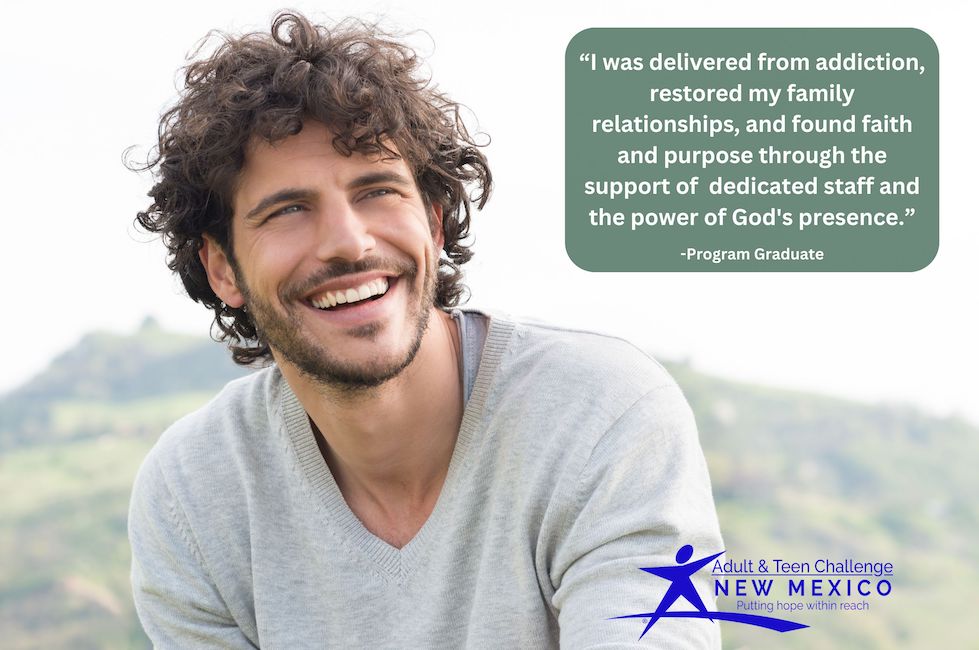
The impact of Adult & Teen Challenge New Mexico is evident in the numerous success stories of individuals who have completed their programs. Many graduates go on to lead fulfilling lives, free from the chains of addiction. They often return to share their experiences, inspiring current clients and demonstrating that recovery is possible. These success stories highlight the transformative power of comprehensive, compassionate care and the potential for lasting change.
Testimonials
Here are a few testimonials from those who have benefited from the program:
“Adult & Teen Challenge New Mexico saved my life. The program not only helped me overcome my addiction but also gave me the tools to rebuild my life. I am forever grateful for the support and care I received.”
“I was at rock bottom when I found Adult & Teen Challenge New Mexico. The staff helped me confront my past and build a brighter future. I now have a job, a place to live, and a renewed sense of purpose.”

Empowering Recovery
Bridging Mental Health and Addiction
with Hope and Support
Mental health and addiction are deeply interconnected, and addressing both is essential for effectivetreatment and recovery. By understanding the complexities of co-occurring disorders, reducing stigma, and providing integrated care, we can support individuals on their path to healing. With the right resources and support, recovery is not only possible but also within reach for those struggling with mental health and addiction.
Organizations like Adult & Teen Challenge New Mexico play a vital role in this process by offering comprehensive, low-cost treatment options tailored to the unique needs of men and women. Their holistic approach, combined with strong community support, helps individuals reclaim their lives and achieve lasting recovery.
For more information on mental health and addiction, and to find support resources, visit the Substance Abuse and Mental Health Services Administration (SAMHSA) website. To learn more about Adult & Teen Challenge New Mexico and their programs, visit their official website.


